The Role of Emotion in Gambling Choices
At the heart of gambling behavior lies a complex interplay of emotions. Players often make decisions based on excitement, anticipation, and even fear. When individuals enter a casino, they are usually seeking an adrenaline rush, which can cloud rational decision-making. This emotional high can lead to impulsive betting, where players might wager larger amounts than they initially planned, driven by a surge of confidence or the desire to recapture losses. For instance, many individuals find information about popular games like online casino games can significantly influence their choices.
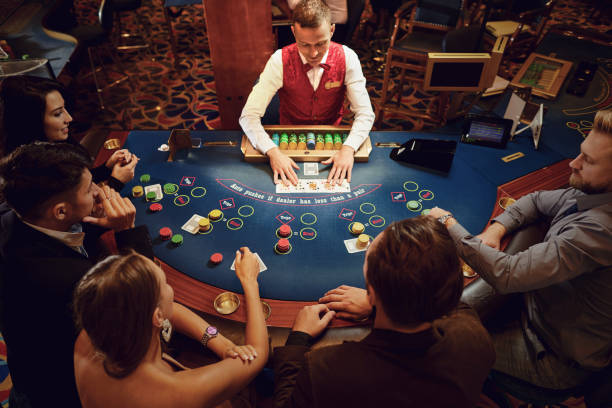
Moreover, the excitement of potentially winning big often outweighs the fear of losing. Neurological studies show that the anticipation of rewards activates the brain’s pleasure centers, encouraging players to take risks they might otherwise avoid. This emotional rollercoaster is a significant factor in why players continue to engage despite the odds being against them.
The Influence of Cognitive Biases
Cognitive biases are systematic patterns of deviation from norm or rationality in judgment, and they play a crucial role in player decisions in casinos. One common bias is the «gambler’s fallacy,» where players believe that past events can influence future outcomes. For instance, if a roulette ball lands on red several times in a row, a player may feel that black is «due» to appear, leading to illogical betting patterns.
Another frequently observed bias is «confirmation bias,» where players tend to favor information that supports their experiences while ignoring data that contradicts them. This can create a distorted understanding of one’s gambling success or failure, often leading to continued play in hopes of a turnaround that aligns with their beliefs.
The Environment of the Casino
The physical environment of a casino is meticulously crafted to encourage prolonged play. From the layout and lighting to the sounds and scents, every element is designed to enhance the gaming experience and stimulate the senses. Bright lights and celebratory sounds create an atmosphere of excitement, reinforcing the notion that winning is imminent.
This sensory overload can lead to a disconnection from reality, where players lose track of time and money spent. Casinos often employ strategies like providing free drinks or hosting entertainment to keep players engaged longer, further complicating their decision-making processes.
The Social Dynamics at Play
Social influences also significantly shape player decisions in casinos. Group dynamics can impact individual behaviors; for example, players may feel pressured to bet more when surrounded by friends or fellow gamblers. The notion of «playing for the group» can encourage larger bets or riskier choices, altering the natural tendencies of individual players.
Furthermore, the social aspect of gambling, including shared excitement and camaraderie, can lead to a phenomenon known as “social gambling,” where players seek to engage not just with games but with each other. This heightened social interaction can diminish the focus on rational decision-making, leading to decisions that prioritize peer approval over personal financial prudence.

Conclusion: Navigating the Psychological Maze of Casinos
Understanding the psychology behind player decisions in casinos is essential for both players and operators. Awareness of emotional triggers, cognitive biases, the influencing casino environment, and social dynamics can empower players to make more informed choices. Recognizing these aspects can lead to more responsible gambling practices and a more enjoyable gaming experience.
As the landscape of gaming evolves, resources like gcfilmfestival.com provide valuable insights and information to enhance engagement and understanding of various events, including gaming-related discussions and education on responsible gambling behaviors. By staying informed, players can navigate the complex psychological territory of casinos more effectively.